
Understanding LASIK Surgery: A Comprehensive Guide
LASIK surgery is a revolutionary procedure designed to correct vision problems such as myopia (nearsightedness), hyperopia (farsightedness), and astigmatism. This innovative approach utilizes advanced technology to reshape the cornea, enabling light to properly enter the eye and focus on the retina. For individuals seeking clearer vision without the need for glasses or contact lenses, LASIK represents a viable and effective solution. At the forefront of eye care innovation, clinics like SNU Eye Clinic in Korea are known for their commitment to patient care, performing lasik surgery new jersey with exceptional precision and advanced techniques.
What is LASIK Surgery?
LASIK, which stands for Laser-Assisted In Situ Keratomileusis, is a type of refractive surgery that employs a laser to reshape the cornea. This outpatient procedure typically takes less than 30 minutes per eye, and patients often experience immediate improvements in vision. LASIK is characterized by its minimal discomfort, quick recovery time, and high success rate, making it suitable for a wide range of patients.
How LASIK Works: The Technology Behind the Treatment
The LASIK procedure involves two main steps: creating a corneal flap and reshaping the underlying cornea. Initially, a surgeon uses a microkeratome or femtosecond laser to create a thin flap in the cornea. Once the flap is lifted, another laser, called the excimer laser, is used to precisely remove corneal tissue in accordance with the patient’s unique refractive error. After reshaping, the flap is placed back, where it adheres naturally without the need for stitches.
Common Misconceptions About LASIK
- LASIK is painful: Most patients report only mild discomfort during the procedure, with many describing it as a pressure sensation.
- LASIK is only for young people: While age can influence candidacy, many older adults also benefit from LASIK.
- LASIK guarantees perfect vision: Although many achieve 20/25 vision or better, individual results can vary based on factors like pre-existing conditions.
Why Choose LASIK Surgery in New Jersey?
New Jersey has emerged as a hub for advanced eye care, providing patients with access to state-of-the-art clinics that specialize in LASIK surgery. The region boasts numerous experienced ophthalmologists, high-tech equipment, and personalized care plans tailored to each individual’s needs.
Benefits of LASIK for Vision Correction
One of the primary benefits of LASIK surgery is its ability to significantly reduce or eliminate the dependency on corrective eyewear. Patients often report an improved quality of life, including enhanced convenience in daily activities. Furthermore, LASIK’s quick recovery time allows individuals to resume their normal routine almost immediately, making it an appealing option for many.
Comparative Advantages of New Jersey Eye Clinics
Eye clinics in New Jersey often lead the way in LASIK technology and patient outcomes. Many clinics offer a variety of laser modalities, including wavefront technology that customizes each patient’s procedure for optimal results. Additionally, the rigorous training and expertise of New Jersey’s ophthalmologists contribute to elevated safety standards and successful surgical results.
Patient Success Stories from New Jersey
For many, LASIK has transformed their lives. Patients frequently share testimonials of newfound freedom from glasses and contacts, with many achieving their vision goals within days of the surgery. Success stories not only highlight the effectiveness of LASIK but also emphasize the importance of choosing a reputable clinic that prioritizes patient care and advanced surgical techniques.
Preparing for Your LASIK Surgery: Key Steps
Preparation for LASIK surgery involves several key steps to ensure a smooth process and optimal outcomes. Initially, a thorough consultation with an ophthalmologist will assess the patient’s eligibility and discuss any potential risks.
Initial Consultation: What to Expect
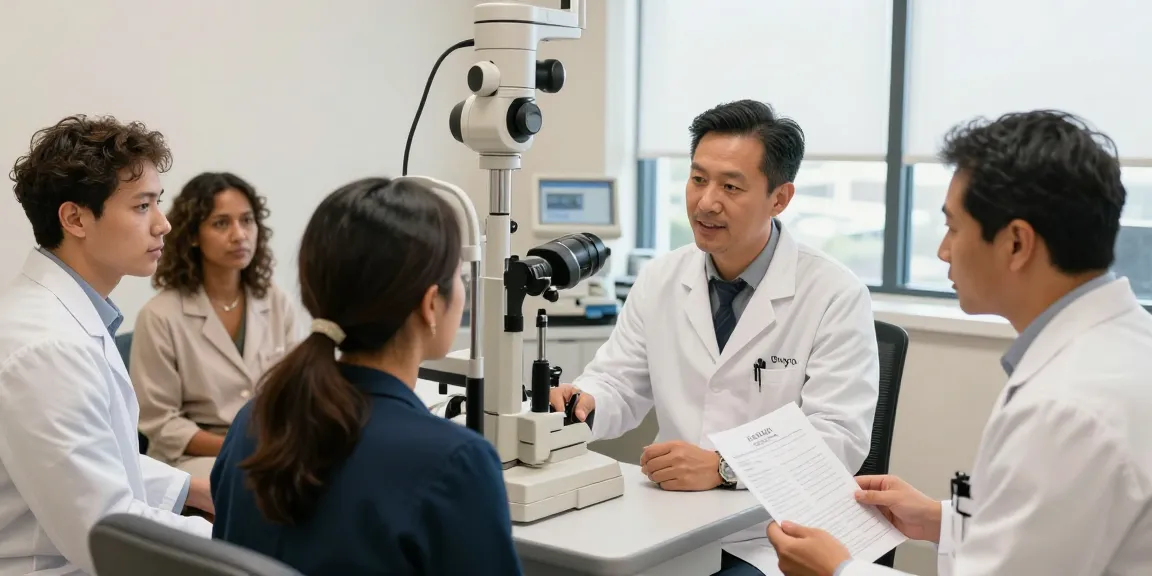
During the initial consultation, the eye doctor will conduct a series of tests to evaluate the patient’s eye health and determine the specific type of LASIK that will be most effective. These tests include measuring corneal thickness, assessing the shape of the cornea, and discussing medical history to rule out any conditions that could complicate surgery.
Pre-Surgery Instructions and Guidelines
Prior to surgery, patients are usually advised to avoid wearing contact lenses for a period of time, as these can affect the shape of the cornea. Guidelines may also include refraining from using certain eye products, drinking alcohol, and smoking. Following these recommendations can lead to better surgical outcomes and reduce the risk of complications.
Common Questions During the Preparation Phase
- What should I bring to my consultation? It’s advisable to bring a list of all medications, any previous eye prescriptions, and a family history of eye issues.
- How should I prepare on the day of surgery? On surgery day, wear comfortable clothing and arrange for someone to drive you home afterward, as your vision may be blurry post-operation.
What to Expect During and After Your LASIK Procedure
Understanding what happens during and after LASIK surgery can alleviate anxiety and enhance patient comfort. The procedure itself is relatively quick, and most patients find it to be less daunting than anticipated.
The LASIK Procedure: Step-by-Step Overview
On the day of the procedure, patients will arrive at the clinic and receive numbing eye drops to ensure comfort. After creating the corneal flap, the excimer laser is used to reshape the cornea. The entire process typically lasts about 15 minutes per eye, and patients can expect to leave shortly after the procedure.
Recovery Tips for Optimal Healing
Post-surgery, patients may experience temporary discomfort, light sensitivity, or blurred vision. Following recovery instructions—such as using prescribed eye drops and avoiding strenuous activities—can significantly enhance healing. Most patients notice improved vision within a day or two.
Post-Operative Care: Follow-Up and Support
After LASIK, follow-up appointments are critical to monitor the healing process and ensure optimal vision results. Patients should schedule these visits to address any concerns and receive personalized care as their eyes heal.
Future Trends in LASIK Surgery and Innovations
The field of LASIK surgery is continually evolving, with exciting advancements that promise to enhance patient experiences and outcomes. Emerging technologies are making LASIK more accessible and effective for diverse patient needs.
Emerging Technologies in Eye Care
Innovations such as femtosecond laser technology and advanced wavefront measurements are improving both the safety and accuracy of LASIK procedures. These developments allow for customized treatments that account for individual variations in eye anatomy, further optimizing visual outcomes.
Future Predictive Outcomes for LASIK in New Jersey
As technology progresses, LASIK is expected to become even more refined, leading to improved patient satisfaction rates. Predictive analytics could also play a role in customizing treatment plans and enhancing pre-operative assessments, ultimately resulting in higher success rates.
Advice from Eye Care Professionals for 2026 and Beyond
The consensus from industry experts is to stay informed about new technologies and constantly evaluate the safety and efficacy of LASIK procedures. Patients are encouraged to choose clinics with a strong track record of success and ongoing education for staff, ensuring the highest levels of care are maintained.
What are the eligibility criteria for LASIK surgery?
Eligibility for LASIK surgery generally includes being over 18 years old, having a stable vision prescription for at least one year, and meeting specific corneal thickness and eye health requirements. A comprehensive eye examination is essential to determine candidacy.
How long does the LASIK surgery take?
The actual LASIK surgery typically takes less than 30 minutes for both eyes. However, patients should plan to spend additional time at the clinic for pre-operative preparations and post-operative assessments.
Are there any long-term side effects of LASIK?
While LASIK is considered safe for most patients, some may experience long-term side effects such as dry eyes, glare, or halos around lights. Open communication with the surgeon can help mitigate these risks and ensure expectations are realistic.
What costs should I anticipate for LASIK in New Jersey?
LASIK surgery costs in New Jersey can vary widely based on the clinic, technology used, and the complexity of the refractive error. On average, patients can expect to pay between $2,000 and $3,000 per eye. Insurance may cover part of the expense, so it’s advisable to check coverage options beforehand.
How do I choose the right eye clinic for LASIK?
Selecting an eye clinic for LASIK involves considering factors such as the surgeon’s experience, clinic reputation, technology offered, and patient reviews. Take the time to research multiple clinics, schedule consultations, and ask pertinent questions to make an informed decision.


